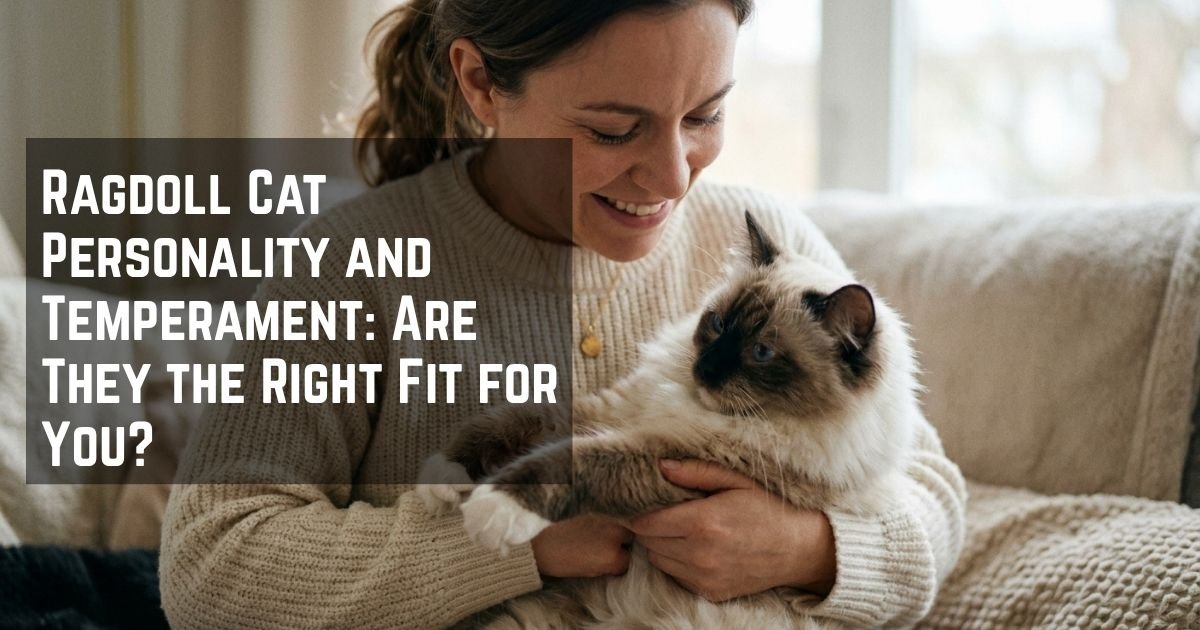
Ragdolls are known for being gentle, affectionate, and remarkably easygoing, earning them nicknames like “puppy cats” for their tendency to follow their owners around and greet them at the door. According to the Cat Fanciers’ Association’s breed standard, the breed is officially described as affectionate, intelligent, relaxed in temperament, and easy to handle, which lines up closely with what most owners actually experience day to day.
Where the Name Actually Comes From
The breed’s namesake trait is going limp and relaxed when picked up, similar to a child’s ragdoll toy. This isn’t true of every single cat in the breed to the same degree; individual Ragdolls vary in how fully they relax when held, the same way people vary in temperament within any group. What’s worth correcting directly: the extreme limpness some Ragdolls display has occasionally fed a myth that the breed is unusually pain-tolerant or less sensitive to injury. That’s not accurate, it’s a relaxation response tied to muscle tone and trust, not reduced pain sensation, and some breeders have specifically bred away from extreme limpness out of concern that it isn’t necessarily in the individual cat’s best interest.
Dog-Like Behavior, Explained
Ragdolls are frequently described as “dog-like,” and the comparison holds up better than it does for most cat breeds. They tend to follow their owners from room to room, greet people at the door, and seek out interaction rather than retreating from it. This isn’t just anecdotal, it’s consistently reported across breed descriptions and reflects genuinely lower independence and higher social-seeking behavior compared to more aloof breeds.
Good With Kids and Other Pets
Ragdolls generally tolerate handling well, which makes them a common recommendation for families with children, provided kids are taught to handle any cat gently rather than roughly. The breed’s low aggression and high sociability also tend to make introductions to other cats and dogs smoother than with more territorial breeds, though individual personality and proper introduction still matter more than breed alone.
Indoor Living and Lap-Cat Tendencies
Ragdolls are bred and best suited to be strictly indoor cats, partly due to their trusting, low-defensive temperament, which makes them less streetwise and more vulnerable outdoors than a more cautious breed. Indoors, they tend to be genuine lap cats: content to be held, to curl up nearby, and to seek out physical closeness rather than independence. This pairs well with a household that wants an involved, present companion animal rather than a more self-sufficient cat.
Socialization Still Matters
Temperament describes a strong tendency, not a guarantee. Early socialization, consistent gentle handling from kittenhood, and a stable home environment all shape how fully a Ragdoll’s natural affectionate tendencies show up as an adult. A kitten from a breeder who handles kittens regularly from an early age is more likely to grow into a confidently affectionate adult than one raised with minimal human contact, regardless of breed.
Personality is one piece of the fit question, alongside more practical factors like whether your household can accommodate an allergy-sensitive member, since it’s worth understanding what a lower-shedding coat does and doesn’t mean for allergies before deciding. And since Ragdolls are a genuine long-term commitment, it’s also worth reading about typical Ragdoll lifespan and life stages to know what you’re signing up for well beyond the kitten phase.
Frequently Asked Questions
Are Ragdolls really that different from other cat breeds in personality?
The core traits, docility, sociability, and low aggression, are consistently reported across breed sources and generally hold up in practice, though individual cats still vary.
Do all Ragdolls go completely limp when picked up?
No. The tendency is a genuine breed trait, but the degree varies significantly between individual cats, the same way any personality trait varies within a population.
Are Ragdolls good for first-time cat owners?
Generally yes. Their low aggression, sociability, and tolerance for handling make them a forgiving breed for owners without extensive cat experience, though they still need proper socialization and care like any cat.