TICA-Registered Cattery
Purchase Brown Ragdoll Kittens for Sale
Health-tested, TICA-registered brown Ragdoll kittens for sale, seal and chocolate point, raised by a network of ethical breeders across the US. Browse the litters below or submit an inquiry to reserve yours.
🏅 TICA-registered cattery
❤️ HCM tested kittens
📋Health guarantee included
🤝 Reputable breeder network
Now Available
Available Brown Color Ragdoll Kittens
Litters ready 12-16 weeks. Submit an inquiry for current availability by color and location.
Why buyers choose us
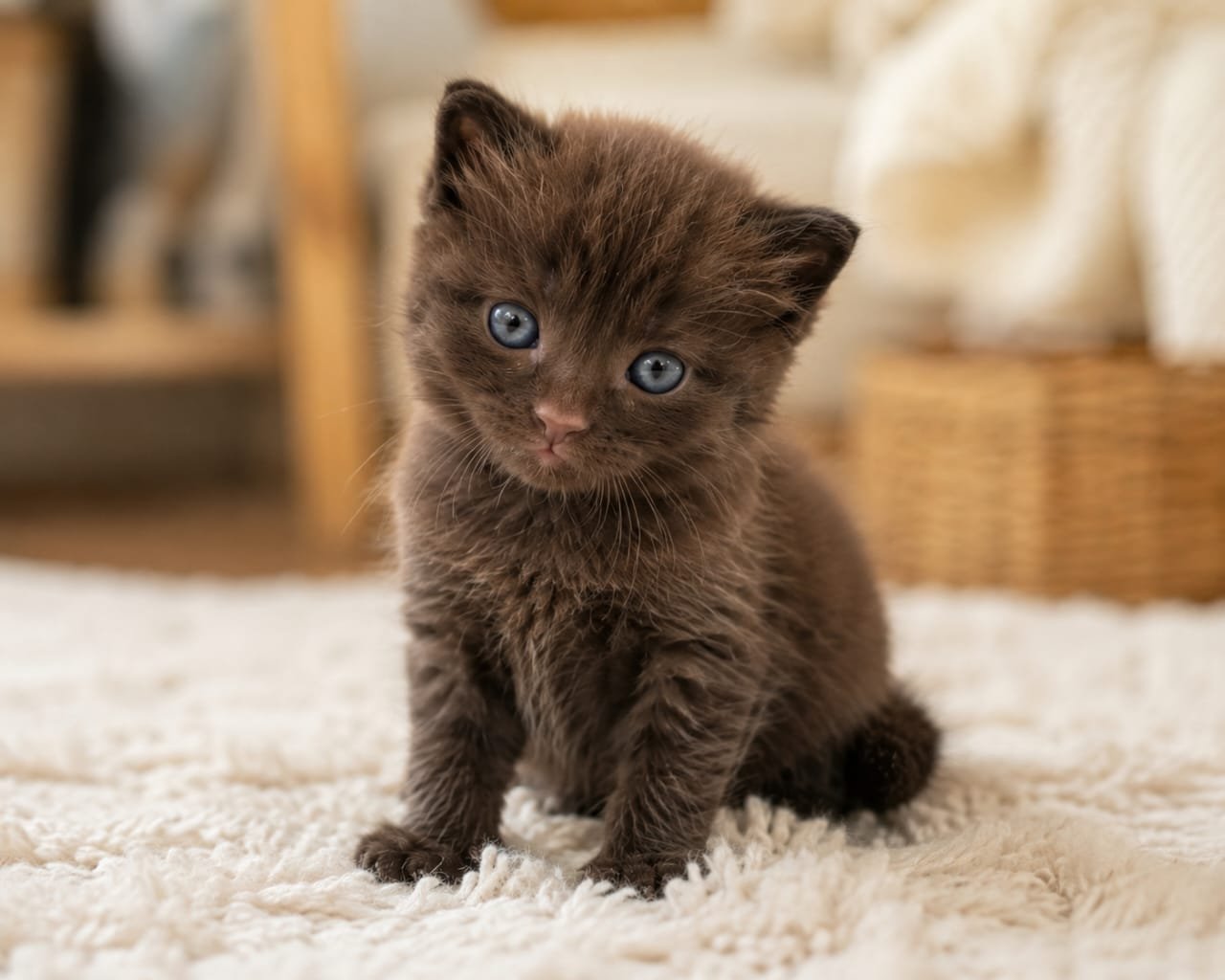
Why buyers choose our Ragdoll kittens
Every kitten is TICA-registered and comes from parents screened for HCM via annual cardiac ultrasound. Kittens go home with a written health guarantee, first vaccinations, and a vet health certificate.If a covered condition is diagnosed within the guarantee period, we work directly with the family on a replacement kitten or refund per the written agreement — details are provided before any inquiry is confirmed.
Buying From a Brown Ragdoll Breeder, Not a Broker
Every kitten here is reserved directly from the registered brown Ragdoll breeder who raised it, and no broker resells our litters sight-unseen. Both parents are DNA and HCM tested before breeding, so the lines behind your kitten are clear of the heart condition this breed is most exposed to.
Kittens are raised underfoot in a home, not a cage, and handled daily from birth. They arrive already used to people, household noise, and being picked up. Each one leaves current on age-appropriate vaccinations and backed by a written guarantee. That is the standard behind every listing on this page.
What Makes a Ragdoll Cat Brown?
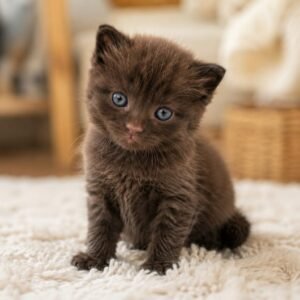
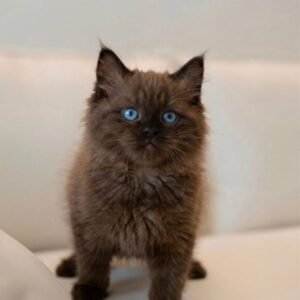
A Ragdoll looks brown because of one of two recognized point colors: seal or chocolate. No registry certifies a color called “brown,” but buyers searching for a brown Ragdoll cat already know what they mean. They want a warm-toned cat with a lighter body and darker face, ears, legs, and tail.
Seal is the classic version, with dark, almost black-brown points against a cream body. It is what breeders mean when someone asks what a brown Ragdoll is called. Chocolate is a lighter, warmer take on the same pattern, milk chocolate rather than dark, and it shows up far less often because both parents have to carry the gene.
Either way you get a semi-long silky coat, blue eyes, and the same unhurried temperament the breed is known for. Pigment does not change the cat underneath it.
Why Chocolate Brown Ragdoll Kittens Are Rare?
Chocolate is rare because the gene is recessive. A kitten has to inherit it from both parents to show it, so chocolate litters come up far less often than seal and are priced higher when they do. Seal, by contrast, is the most common point color in the breed, which makes a seal point kitten straightforward to find.
Published breakdowns of Ragdoll color frequency put the lighter shades at the bottom:
Ranking | Ragdoll color | Share of the breed |
#1 | Cream | 3% |
#2 | Lilac | 4% |
#3 | Chocolate | 5% |
#4 | Flame | 5% |
Chocolate sits at roughly one in twenty. Cream and lilac are rarer still, and neither reads as brown. A cinnamon Ragdoll cat is rarer again and falls outside the traditional breed standard, so buyers who want a genuinely brown cat are almost always choosing between seal and chocolate.
Brown Ragdoll Kitten Price
Brown Ragdoll kittens on this page cost $1,050 to $1,300. Across the wider market, pet-quality Ragdolls generally sell between $800 and $2,500, while show or breeding quality cats from championship bloodlines reach $3,000 to $5,000.
Chocolate sits above seal at almost any breeder, for the genetic reason above. Four things move the number more than color does:
- Health testing on the parents. HCM echocardiograms and DNA panels cost the breeder money, and it shows in the price.
- Pattern. Bicolor and high-white kittens usually command more than standard colorpoint.
- Pedigree. Championship lines carry a premium whether or not you plan to show.
- Delivery. In-person pickup costs nothing extra. Nationwide delivery is quoted separately.
A kitten offered well under $800 is worth questioning. At that price the parents have rarely been cardiac-screened.
The Temperament Behind the Coat
Coat color has no effect on temperament. A chocolate or seal point kitten behaves exactly like any other Ragdoll, and that temperament is why most families choose the breed. Ours are:
- Calm and even-keeled. They do not demand constant activity, which makes them easy to live with in a full house.
- Genuinely affectionate. Ragdolls are known for going limp when held and following their favorite person room to room.
- Good with children. Patience and a low startle response make them a safer match for younger kids than more skittish breeds.
- Comfortable around dogs. Most settle in with a resident dog inside the first few weeks.
- Suited to apartments. This is not a breed that needs to roam.
- Forgiving for first-time owners. Easy to read, easy to bond with, low-maintenance by temperament.
Ragdoll Colors and Patterns Explained
Color and pattern are two separate things. Color is the shade of the points, and pattern is where the color and white markings fall. TICA recognizes three primary patterns, colorpoint, mitted, and bicolor, and each pairs with seal or chocolate to produce the brown-toned combinations below.
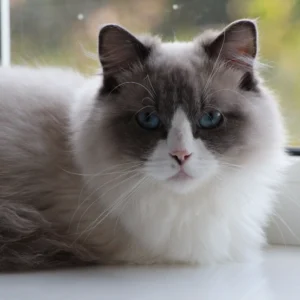
- Seal Point. Deep seal-brown points on ears, face, legs, and tail against a lighter body. This is the classic look most people picture when they search for a brown Ragdoll cat.
- Chocolate Point. Warm milk-chocolate points with an ivory body, softer and warmer in tone than seal.
- Seal Mitted. Seal-brown points with white markings on the feet and legs. The white “mittens” make it immediately recognizable.
- Chocolate Mitted. Warm chocolate points with the same signature mittens.
- Seal Bicolor. Seal points with substantial white, including the white inverted V on the face.
- Chocolate Bicolor. Warm chocolate points paired with the bold white markings of the bicolor pattern.
CFA’s breed standard describes the colorpoint, mitted, and bicolor patterns and the seal and chocolate point colors in detail.
A note on cinnamon: listings advertising cinnamon Ragdolls are usually describing a warm chocolate. Cinnamon is not part of the CFA Ragdoll standard, so ask any breeder using the term to show you the registration paperwork and the parents’ color on the pedigree before you place a deposit.
Our Health Promise
Every kitten here comes from parents who cleared genetic and cardiac screening before being bred, not after a litter was already on the ground. Seven checks stand behind each reservation:
- DNA testing. Parents are tested for HCM and PKD before breeding.
- HCM cardiac screening. Breeding cats receive annual echocardiograms, not just a one-time DNA panel.
- Age-appropriate vaccinations. Kittens go home current on their schedule.
- Deworming. Completed on a standard schedule before pickup.
- Veterinary health checks. Every kitten is vet-examined and issued a health certificate before leaving.
- Microchipping. Permanent ID registered in your name at handoff.
- Written health guarantee. Covers genetic conditions for a defined period, with terms provided before you reserve.
How to Reserve
How to Reserve Your Brown Ragdoll Kitten
Reserving takes five steps and starts with a deposit that holds your kitten until it is old enough to travel:
- Browse. View available kittens above and pick the one that fits.
- Reserve. Hold your kitten with a deposit.
- Video call. Meet your kitten and the breeder directly, and ask anything before you commit.
- Pickup or delivery. Collect in person, or arrange safe nationwide delivery if there is no chocolate Ragdoll litter near you.
- Lifetime support. Your breeder stays reachable long after you bring your kitten home.
Common Questions
Brown Ragdoll Kitten FAQ
Are brown Ragdoll kittens rare?
Not as a group. Seal, the classic “brown,” is the most common Ragdoll color. Chocolate, the lighter variant, is rarer at roughly 5% of the breed, because it only appears when both parents carry the recessive gene.
What is a brown Ragdoll called?
Seal. In cat terminology, seal means dark brown, the same way blue means grey. A lighter brown cat is a chocolate. Add the pattern name and you get the full description: seal mitted, chocolate bicolor, and so on.
Are brown and chocolate Ragdolls the same?
Not exactly. “Brown” is the everyday term buyers use. Chocolate is one of two specific colors, along with seal, that produce a brown-toned coat. Chocolate is lighter and warmer than seal.
How much do brown Ragdoll kittens cost?
Pet-quality seal kittens on this page start at $1,050. Chocolate, being less common, usually costs more. Across the market, pet-quality Ragdolls sell for $800 to $2,500, and show or breeding cats reach $3,000 to $5,000.
Do brown kittens change color?
Yes. Ragdoll kittens are born nearly white and develop their full brown (seal or chocolate) coloring gradually over their first one to two years.
Do brown Ragdolls have blue eyes?
Yes. Blue eyes are a breed standard for every pointed Ragdoll color, and kittens are born with them. Intensity tracks the coat. Seal points tend toward deeper blue, while lilac and other pale colors run lighter. Eyes that shift toward green or gold indicate the cat is not a purebred pointed Ragdoll.
How big do brown Ragdolls get?
Ragdolls are a large breed regardless of color. Males typically reach 15 to 20 lbs and females 10 to 15 lbs at full maturity, around three to four years old.
What is the rarest color of Ragdoll?
Cream, at around 3% of the breed, followed by lilac at 4%. Chocolate and flame each sit near 5%. Seal is the most common by a wide margin.
Purchase Ragdoll Kittens From Other Color Collections
Not set on brown? These related collections come from the same health-tested, TICA-registered breeder network.
White Ragdoll Kittens
Looking for a lighter coat? Explore our White Ragdoll Kittens collection featuring blue-eyed companions with the same affectionate temperament and health-tested bloodlines.
Black Ragdoll Kittens
Prefer darker coat colors? Browse our Black Ragdoll Kittens collection to discover unique kittens with striking contrast and beautiful personalities.
Blue Point Ragdoll Kittens
Blue Point Ragdoll Kittens remain one of our most requested colors thanks to their soft blue-grey coats and bright blue eyes.
What to read
Popular articles about pets
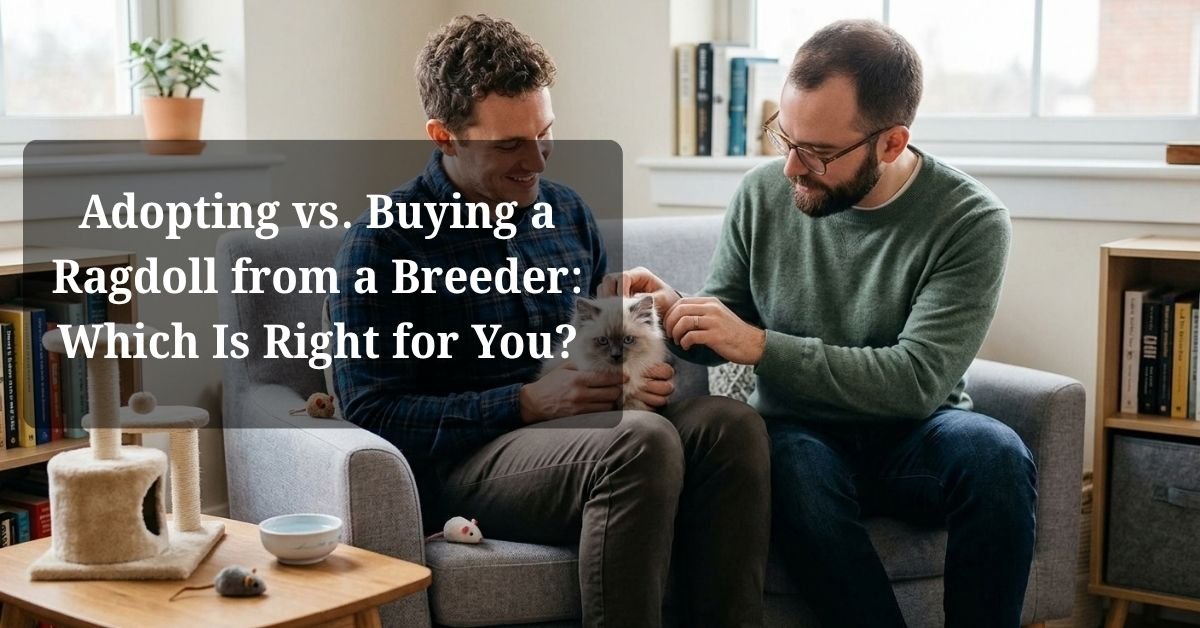
Adopting vs. Buying a Ragdoll from a Breeder: Which Is Right for You?
September 25, 2026
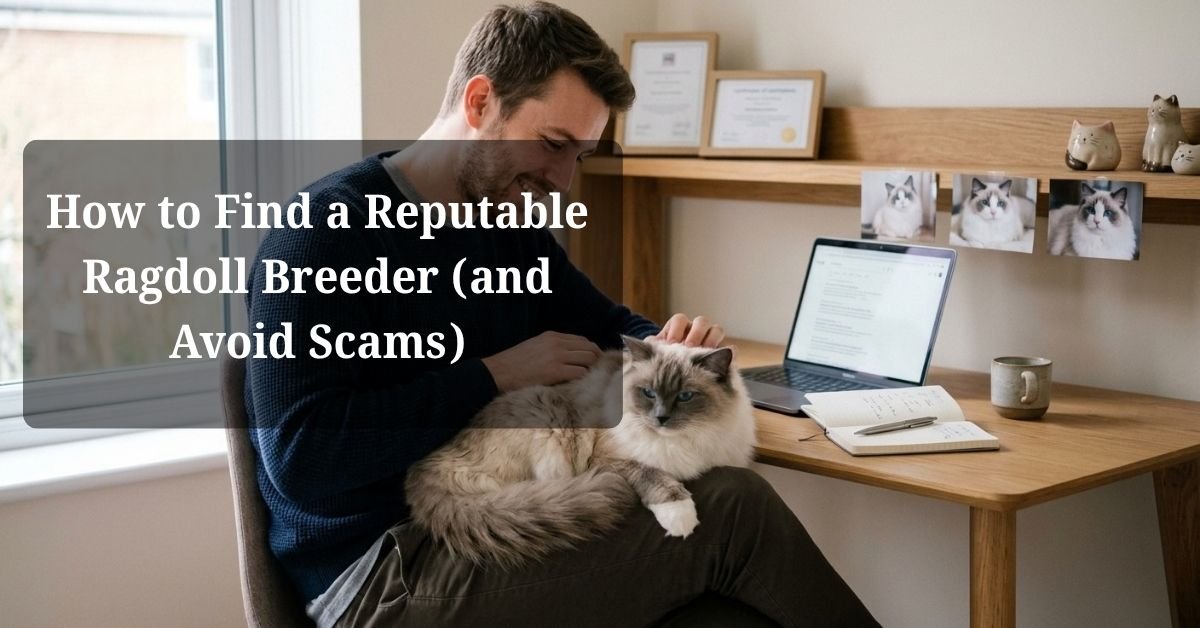
How to Find a Reputable Ragdoll Breeder (and Avoid Scams)
September 25, 2026

How Big Do Ragdoll Cats Get? Size, Weight, and Growth Timeline
September 25, 2026